Racheal Diabetes Amputees Foundation
Amputation is the end of a chain. Every link can be broken.
We work in Ugandan communities to stop diabetes from costing people their limbs — and to restore mobility, dignity and a livelihood to those who have already lost one.
A foundation built around one preventable loss
Racheal Diabetes Amputees Foundation is a nonprofit organisation established in 2022 to address the growing burden of non-communicable diseases in Uganda — particularly diabetes and its most devastating complication, lower-limb amputation.
We were founded in response to the rising number of individuals and families affected by diabetes-related amputation, and to the limited access they have to rehabilitation, psychosocial support, assistive devices and livelihood opportunities.
RDAF recognises that amputation is not only a medical condition. It is a social and economic challenge that affects individuals, families and entire communities. That is why our work runs from community screening all the way through to savings groups — because the loss of a limb is rarely just the loss of a limb.
The chain
Limb loss is a sequence, not an accident
Diabetes rarely takes a limb suddenly. It takes one through a sequence of stages, and each stage is a place where the sequence can be interrupted. The red line is the progression. Every teal branch is a point where RDAF steps in.
-
Where RDAF breaks the chain
Screening outreaches that find people early
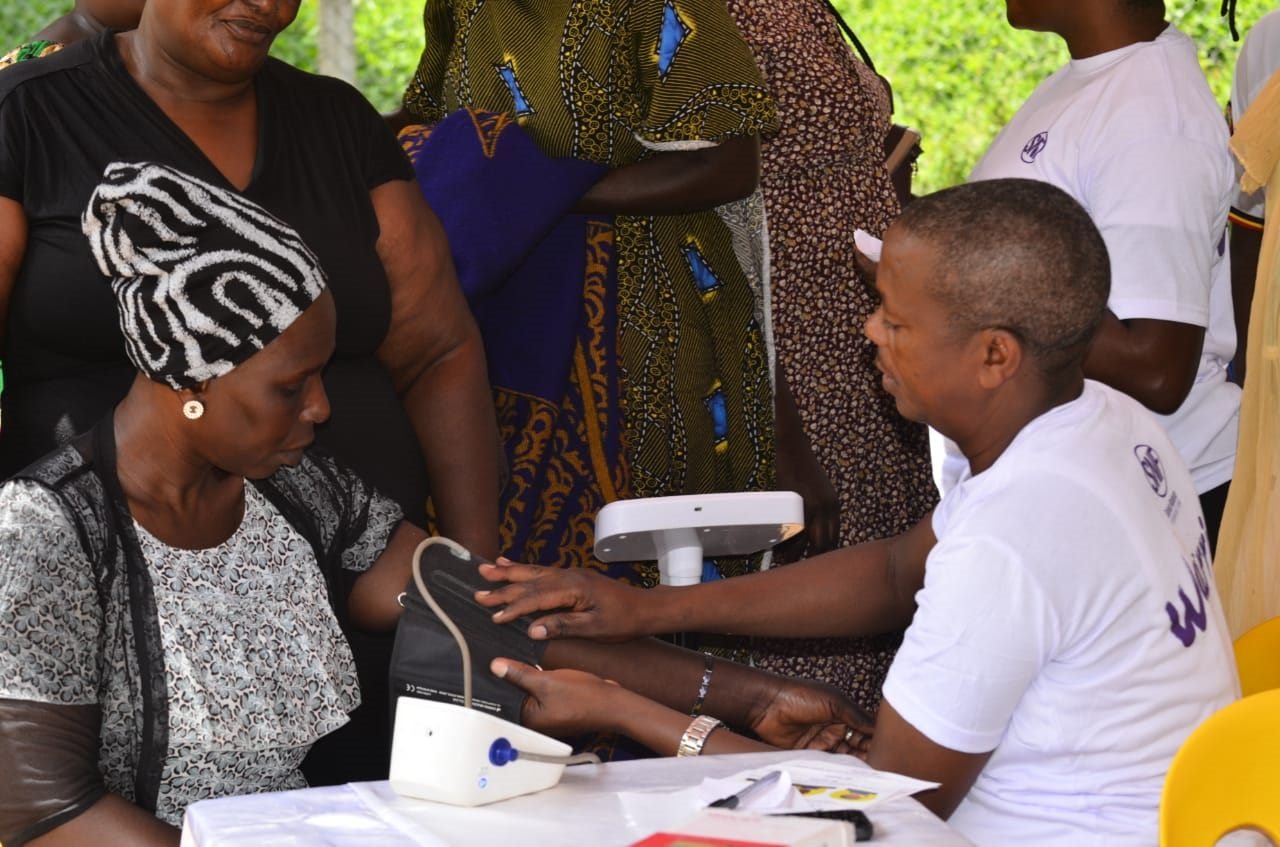
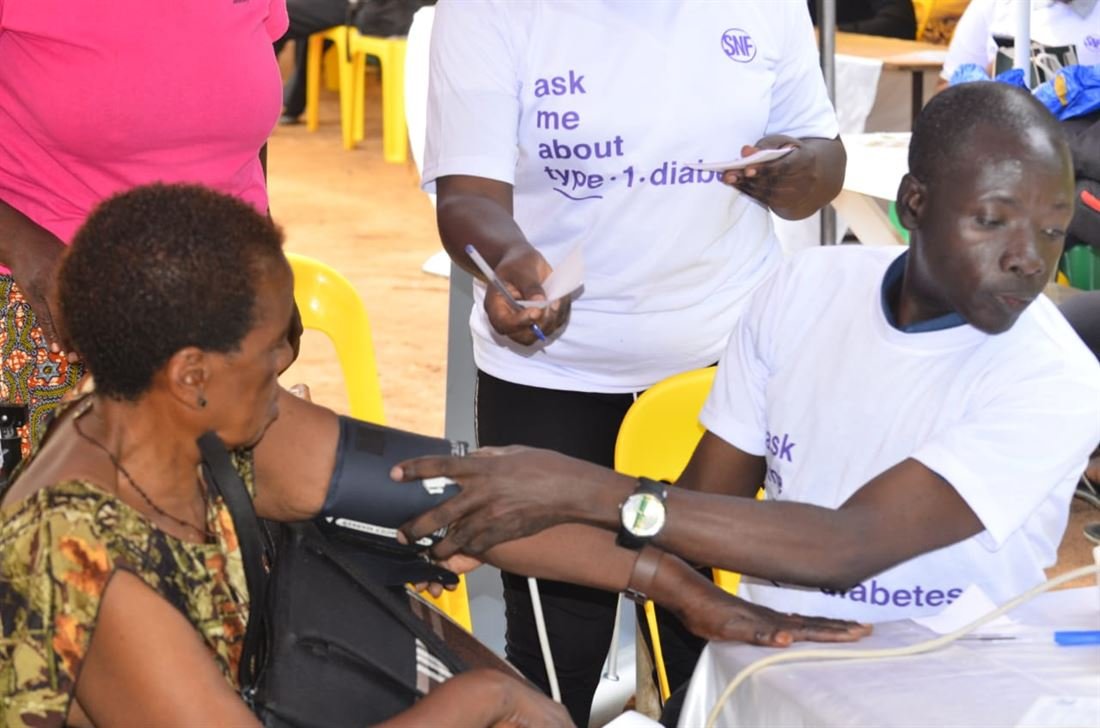
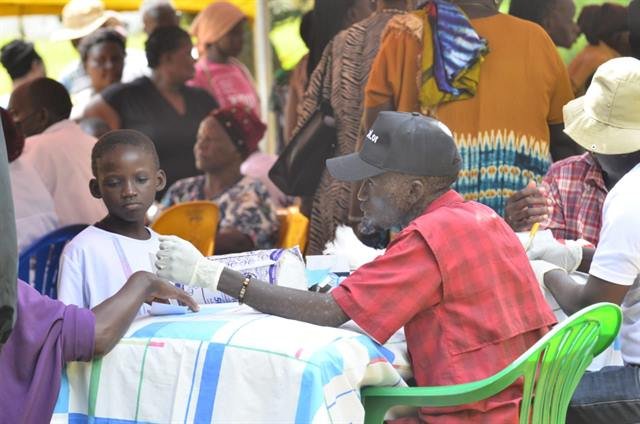
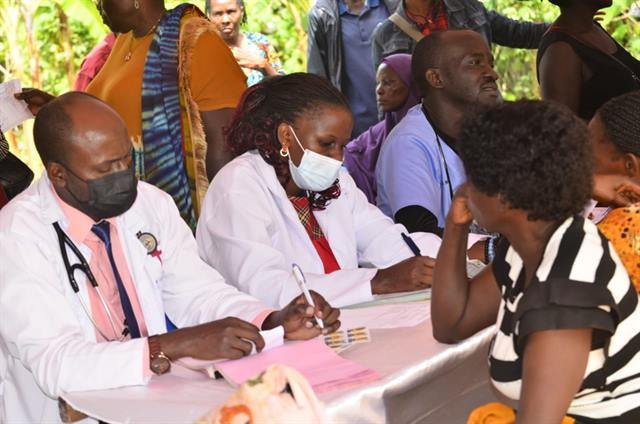
Free community screening — blood glucose testing, blood pressure measurement and body mass index assessment — finds people who do not yet know they are at risk, and refers them for further medical care.
-
Where RDAF breaks the chain
Health education and self-management
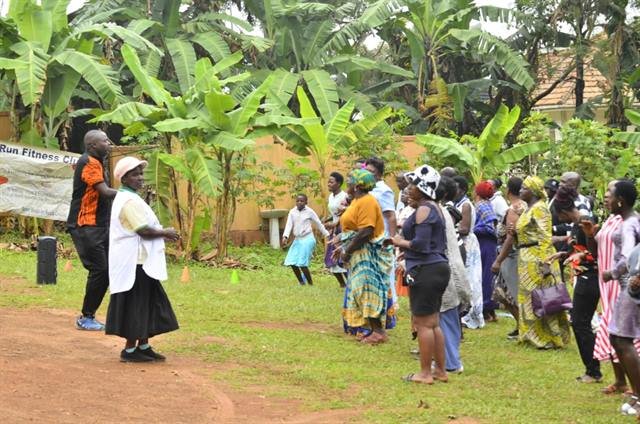
Education on nutrition, physical activity, weight management, smoking cessation, alcohol reduction and stress — supported by peer groups and trained Village Health Teams, so that people can manage their condition where they live.
-
Where RDAF breaks the chain
Preventive foot care and early referral
Preventive foot care, treatment adherence and timely referral for people living with diabetic foot ulcers and peripheral artery disease — so that a wound is treated while it is still a wound.
-
Where RDAF breaks the chain
Timely treatment and referral
We identify and register people who need support, refer them into partner hospitals and health centres, and make home-based follow-up visits that catch deterioration before it becomes irreversible.
-
Where the chain ends, our work does not
Rehabilitation, and a life rebuilt
Prosthetic and orthotic referrals, physiotherapy, mobility devices, psychosocial counselling, peer support groups, and vocational and livelihood training — so that limb loss does not become the loss of independence, income and standing in the community.
Select a link to see how RDAF interrupts the sequence at that stage. Use the arrow keys to move between links.
Five programme areas
Our objectives run from stopping diabetes before it starts to rebuilding a household's income after limb loss.
-
Community campaigns, free screening outreaches, health education, school and workplace programmes, and the training of Village Health Teams and peer educators.
-
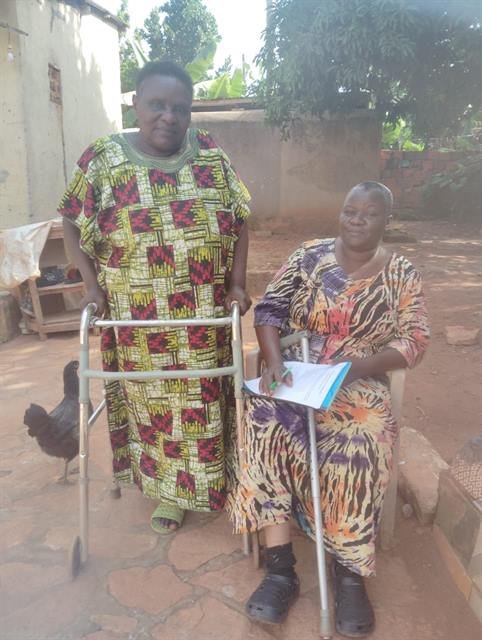
Prosthetic and orthotic referrals, physiotherapy, mobility devices, home-based follow-up, psychosocial counselling and amputee peer support groups.
-
Vocational skills, business mentorship, village savings and loan associations, financial literacy and livelihood initiatives for amputees, youth and women.
-
Community-based research, programme data, policy briefs and media advocacy — and direct engagement with ministries, local government and development partners.
-
Governance, staff and volunteer capacity, financial accountability, resource mobilisation and the strategic partnerships that make the rest of it sustainable.
The people this work is for
RDAF serves individuals and communities affected by non-communicable diseases, and prioritises those who need health care, rehabilitation, psychosocial care and economic support the most.
-
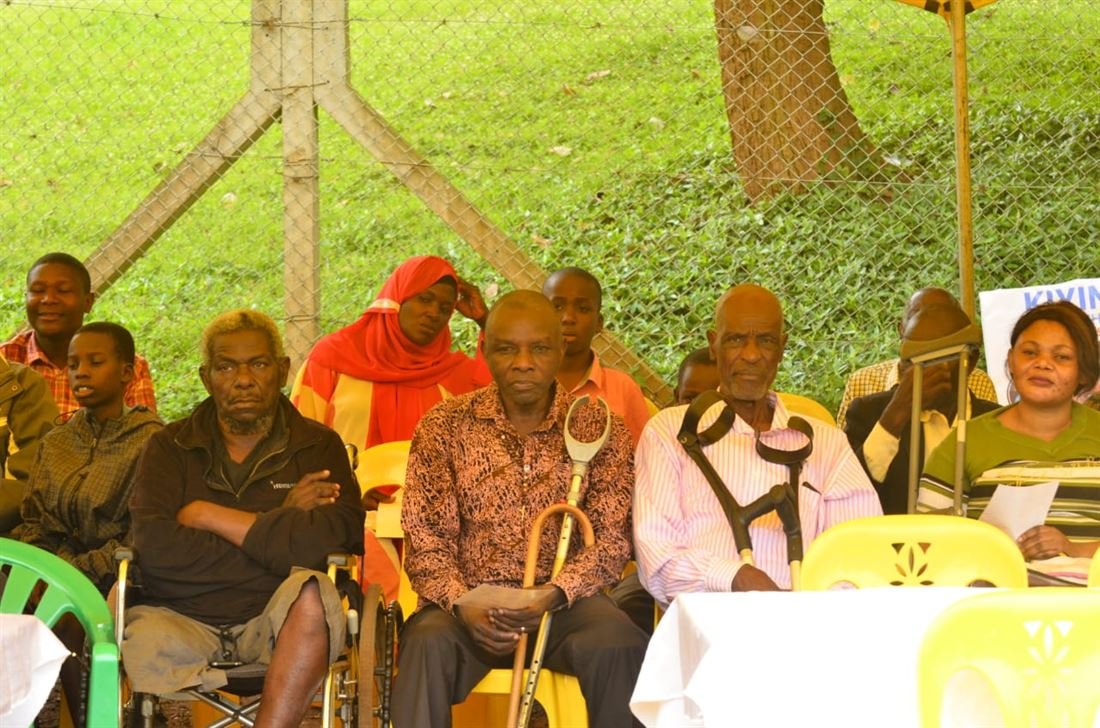
NCD amputees
People who have lost a limb to diabetes, peripheral vascular disease, cancer or another chronic condition.
-
Patients at risk of amputation
People living with diabetic foot ulcers, peripheral artery disease and other conditions that can lead to limb loss.
-
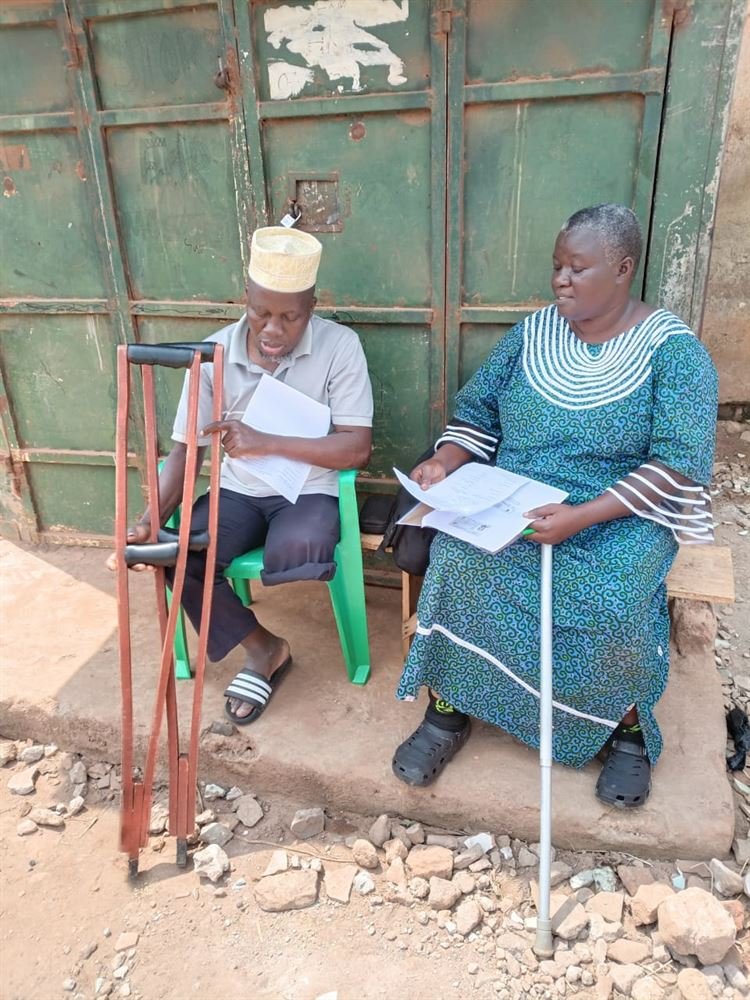
Families of amputees
Because amputation affects an entire household, not only the person who underwent surgery.
-
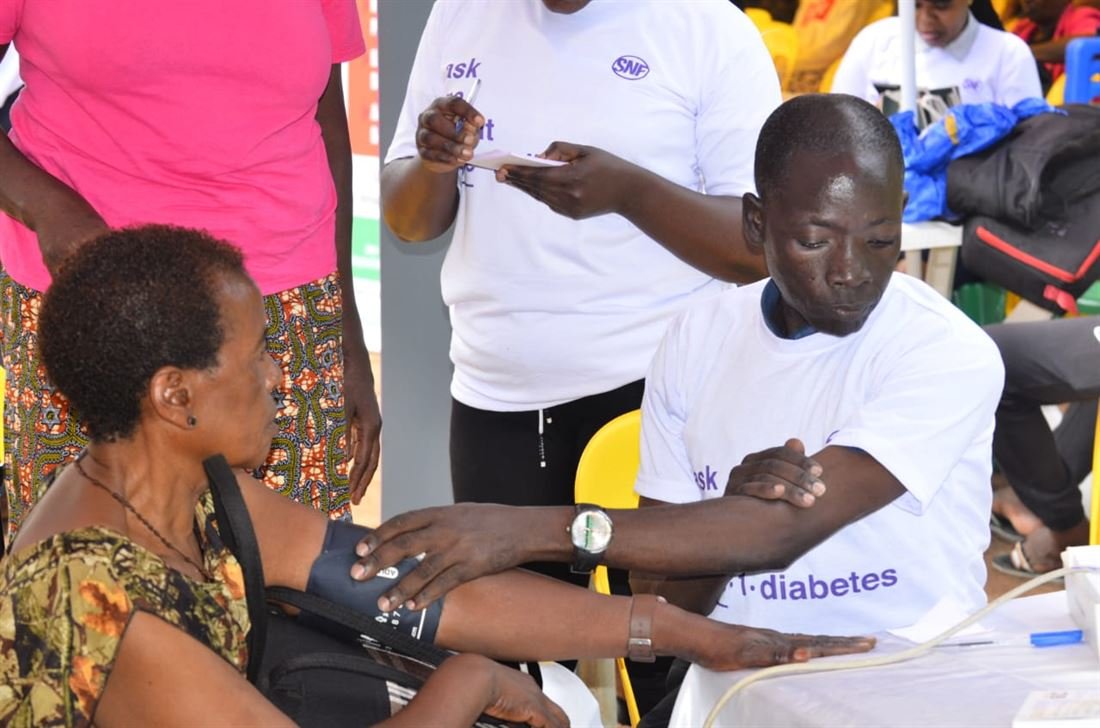
Persons living with diabetes
Children, youth and adults supported through awareness, screening, self-management education and peer groups.
-
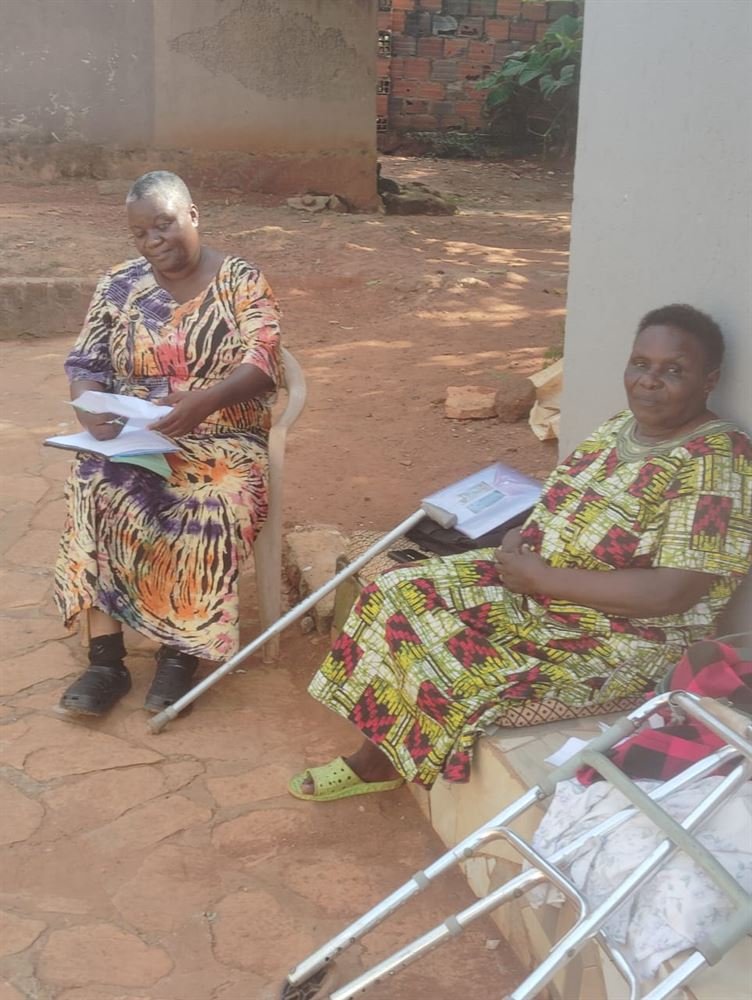
Caregivers
Formal and informal caregivers who provide daily care to amputees and people living with chronic illness.
-
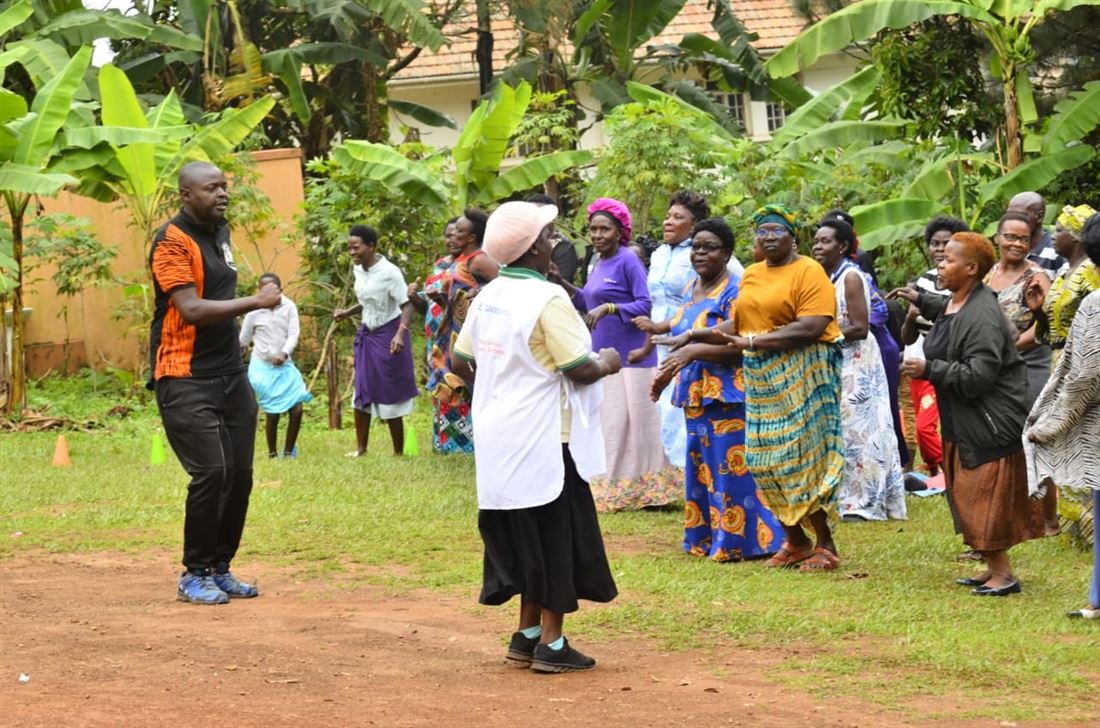
Youth and women
Who face heightened health, social and economic challenges related to disability and chronic disease.
Restoring hope, promoting health, transforming lives.
From the field
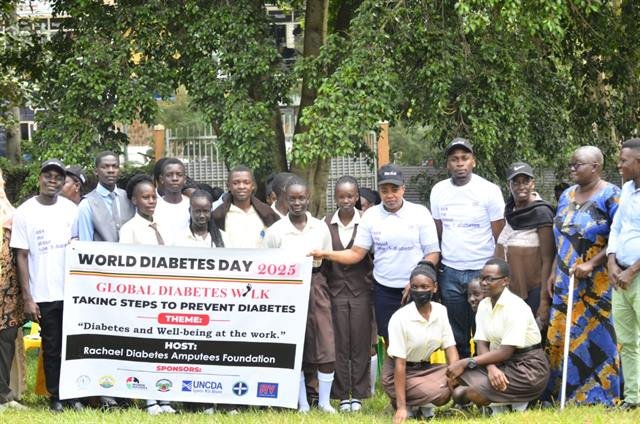
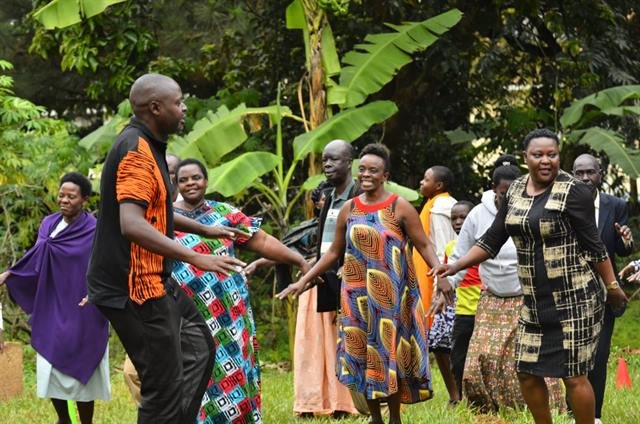
Screening outreaches, home visits, community walks and the events where this work becomes visible.
Partner with us
RDAF works with government ministries and agencies, hospitals and health centres, local and international NGOs, development partners and donors, community leaders, media organisations, academic and research institutions, and corporate partners.
Support our work
A pair of crutches, a screening outreach, a counselling session, a place in a savings group. Your support pays for the things that break the chain.