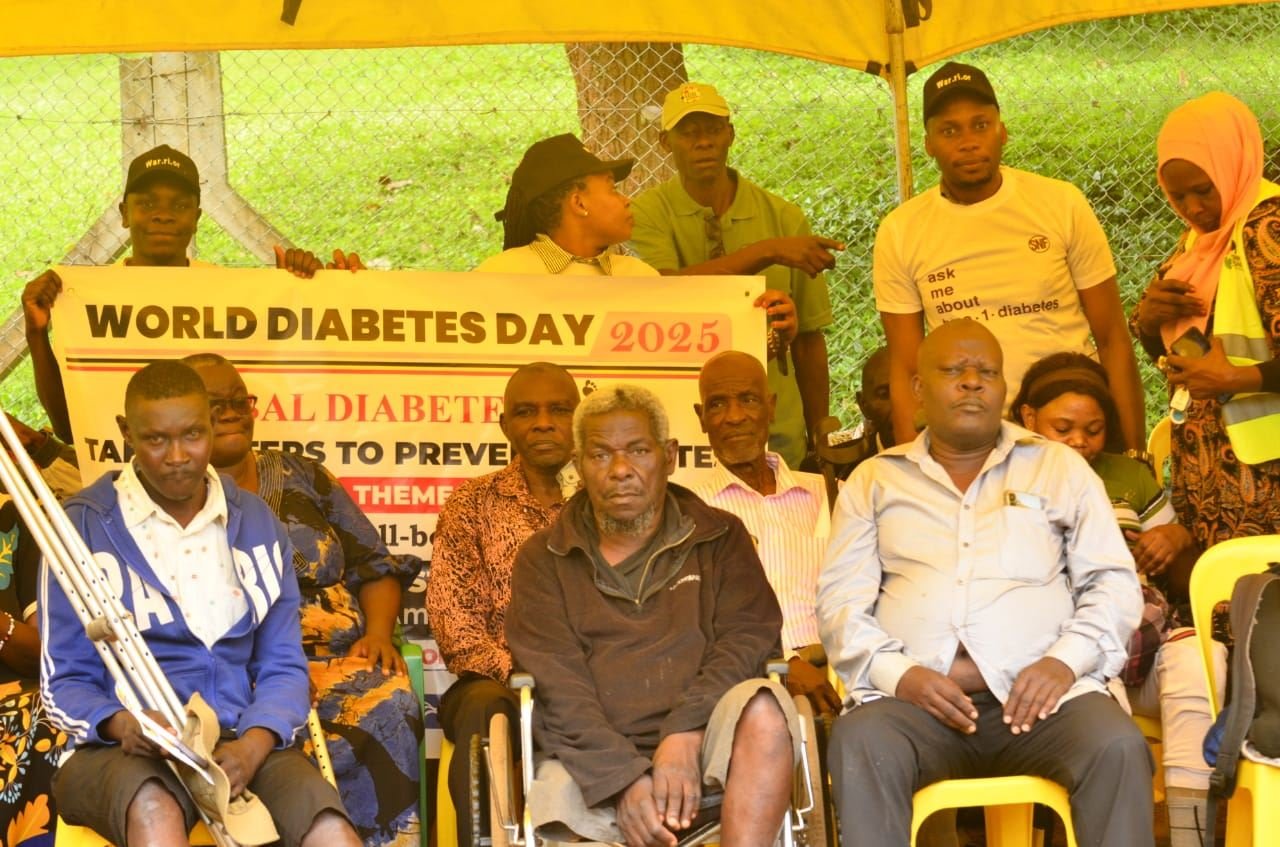
Participants seated together at an RDAF community event, several with crutches beside them.

Who we serve

RDAF serves individuals and communities affected by non-communicable diseases — particularly diabetes-related complications and limb loss. We prioritise those who need health care support, rehabilitation, psychosocial care and economic empowerment most.

01

NCD amputees


The foundation provides comprehensive support to individuals who have undergone limb amputation due to non-communicable diseases such as diabetes, peripheral vascular disease, cancer and other chronic conditions.

Support includes rehabilitation, referrals, psychosocial counselling, peer support, mobility assistance, advocacy and livelihood empowerment — to help them regain independence and improve their quality of life.
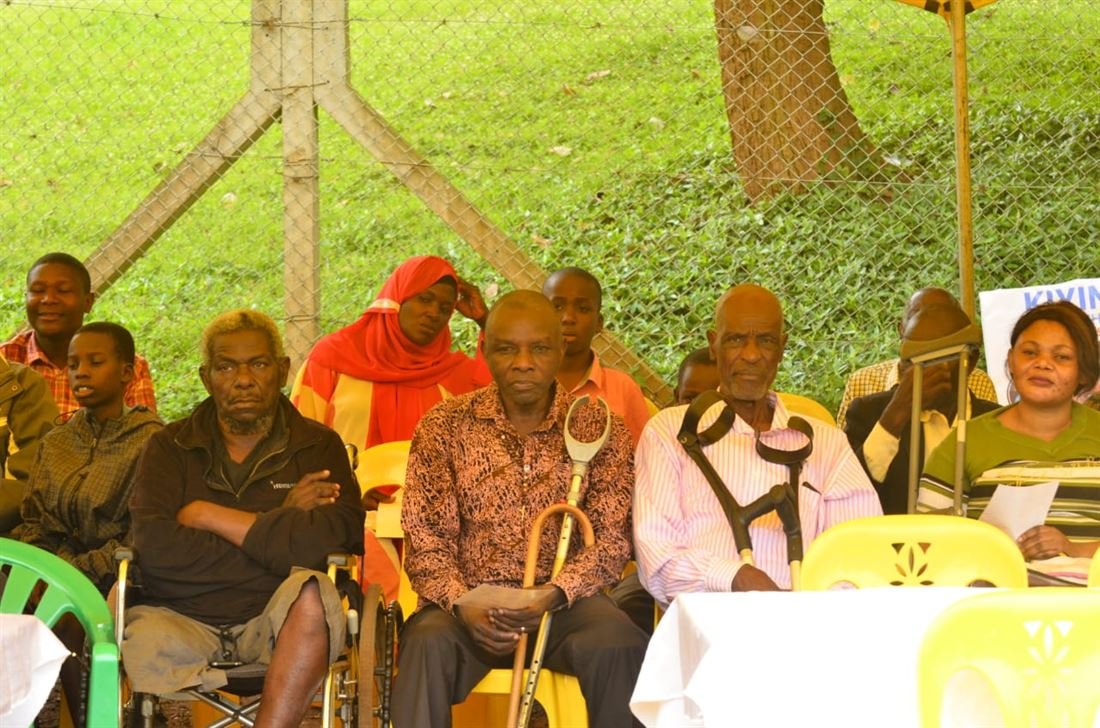
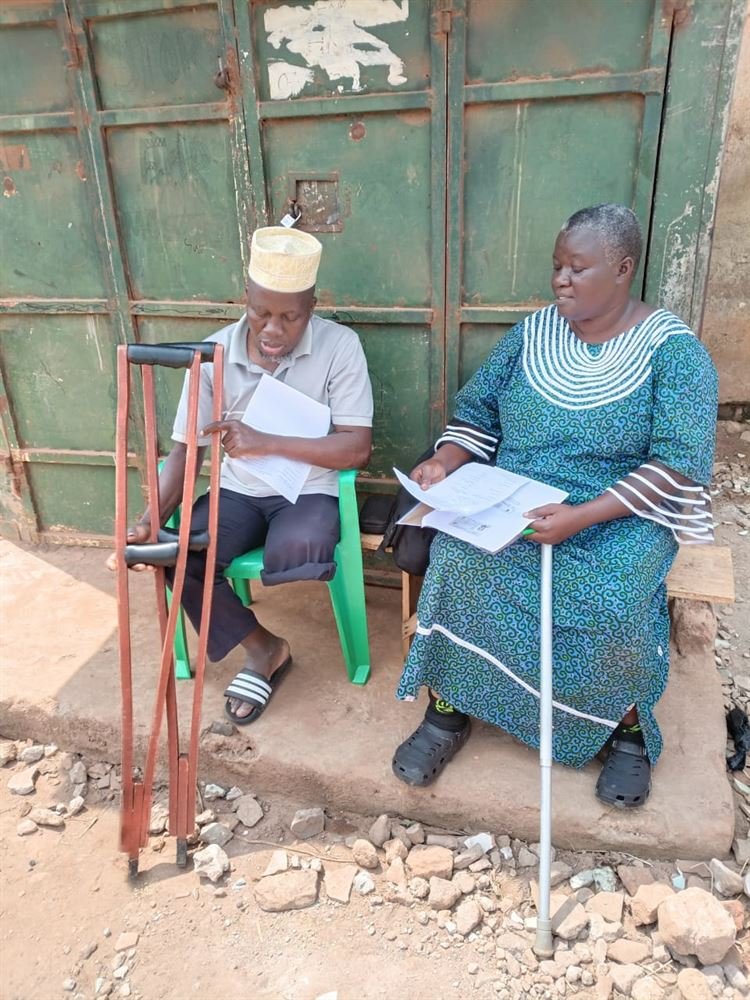
Men seated together at an RDAF gathering, with crutches and walking aids resting beside their chairs.
02

Patients at risk of amputation


The foundation works with individuals at high risk of limb amputation — particularly people living with diabetes, diabetic foot ulcers, peripheral artery disease and other conditions that can lead to limb loss.

RDAF promotes early screening, health education, timely referral, treatment adherence and preventive foot care to reduce avoidable amputation.

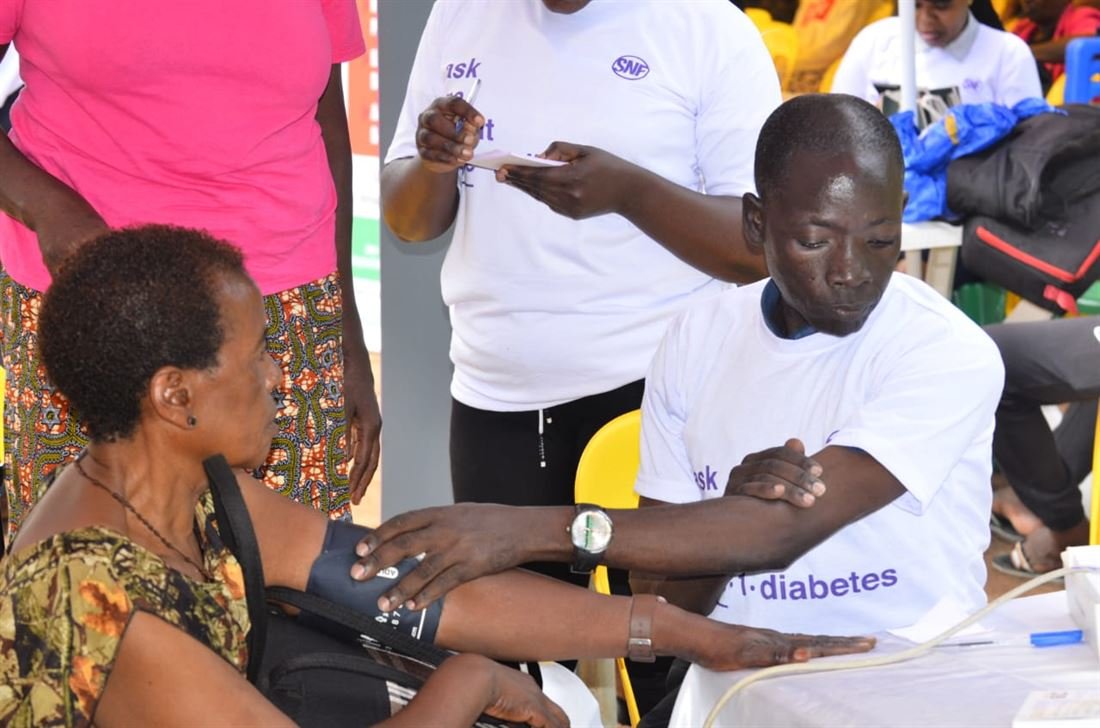
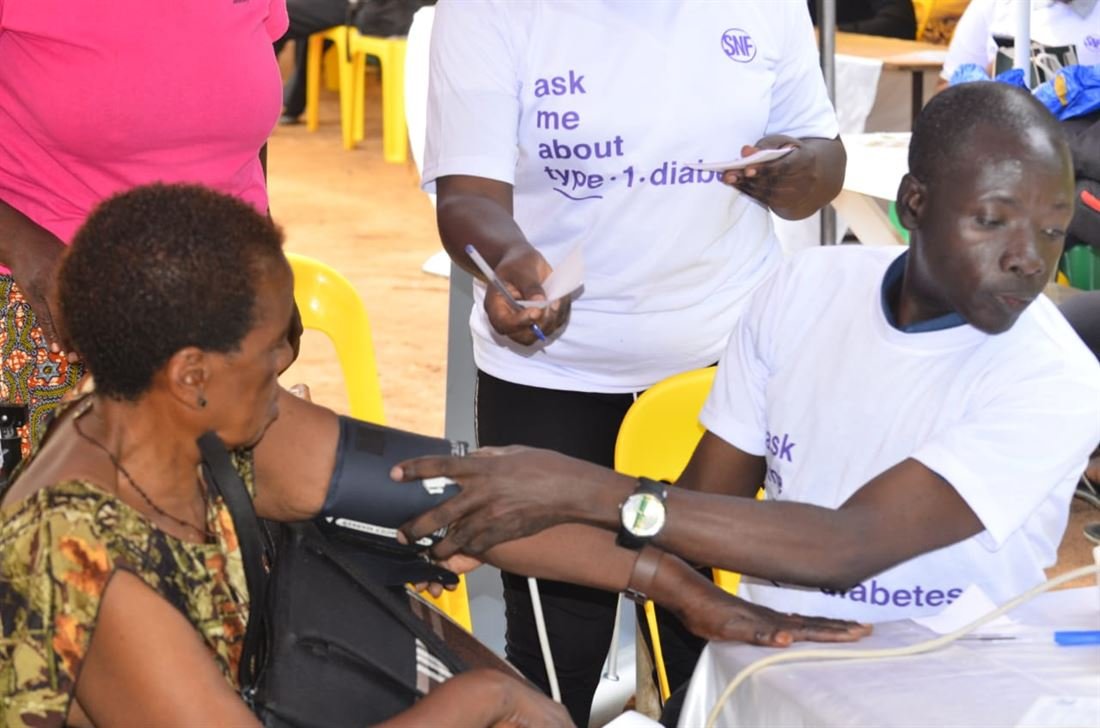
A health worker takes a woman's blood pressure during a community screening session.
03

Families of amputees


The foundation recognises that amputation affects the entire family.

RDAF provides caregivers and family members with education, psychosocial support, counselling and capacity building — so that they can provide effective care, reduce stigma and promote the successful reintegration of amputees into family and community life.

Two community members seated outside a home, reviewing RDAF programme documents together.
04

Persons living with diabetes


The foundation supports children, youth, adults and other persons living with diabetes through awareness programmes, screening initiatives, self-management education, lifestyle modification campaigns, peer support groups and referrals to appropriate healthcare services.

The aim is to improve disease management, prevent complications and enhance quality of life.

A health worker records a blood pressure reading for a woman at a community diabetes event.
05

Caregivers


RDAF supports both formal and informal caregivers who provide daily care to amputees and people living with chronic illness.

The foundation equips caregivers with knowledge, practical caregiving skills, emotional support and stress management techniques — improving both the quality of care they give and their own wellbeing.

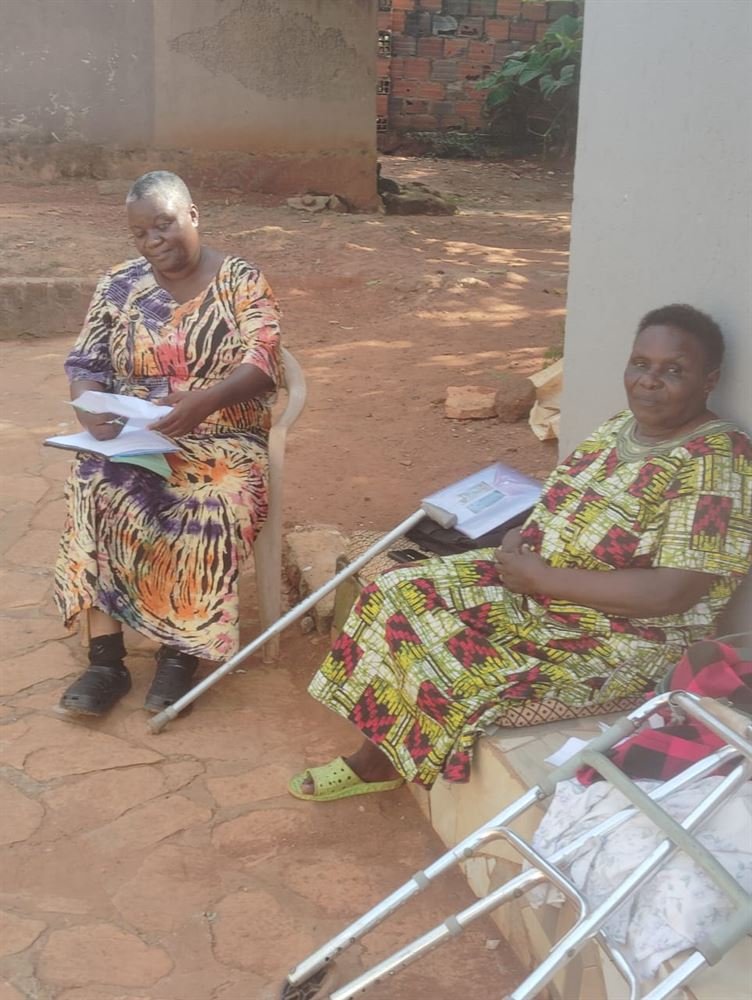
An RDAF team member sits with a community member and her walking frame during a home follow-up visit.
06

Youth and women


The foundation places special emphasis on empowering youth and women, who often face increased health, social and economic challenges related to disability and chronic disease.

RDAF promotes health education, leadership development, vocational skills training, entrepreneurship, financial literacy and livelihood opportunities to strengthen their resilience and economic independence.

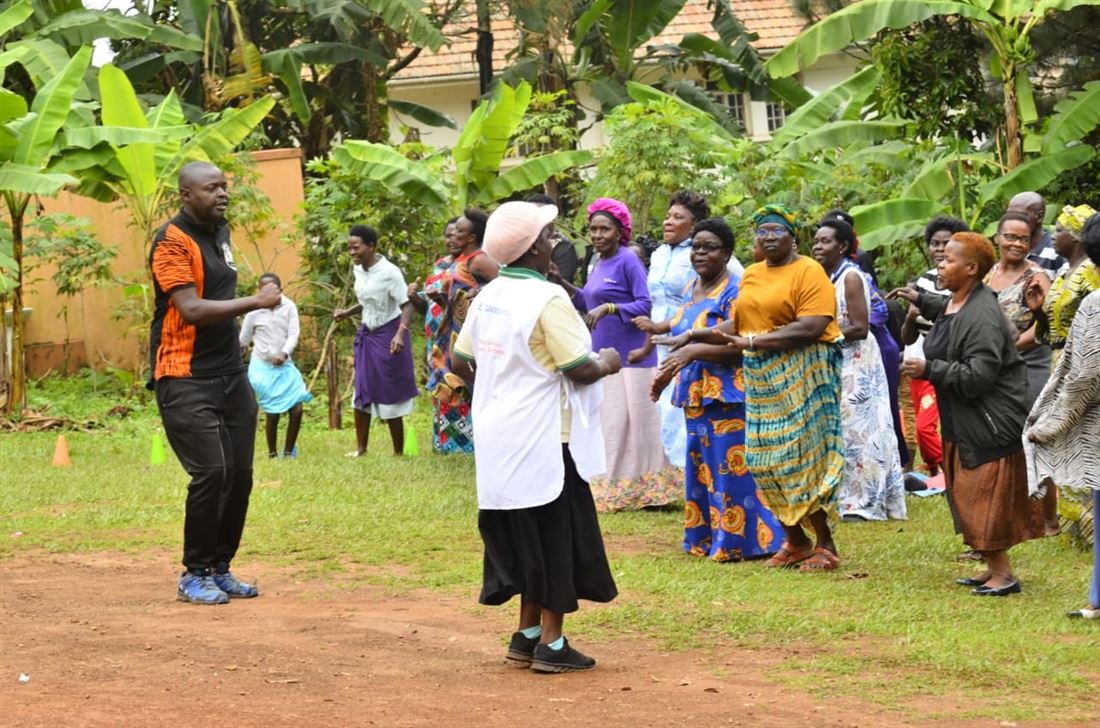
Women take part in a community fitness and health promotion session led by RDAF.

Refer someone to us


If you know someone who needs rehabilitation support, screening or counselling, you can refer them to RDAF. Health workers, community leaders and family members are all welcome to get in touch.

Make a referral

How the work is funded


Mobility devices, counselling, outreaches and training all depend on what supporters and partners contribute.

Support our work

Chat on WhatsApp